Under 10 minutes
A credible Stage 1 screen before the opportunity waits on design.
A pre-design feasibility screen for anyone who needs a credible first answer before committing survey time, specialist resource, or client expectation. Postcode in. Site-specific numbers out. Under ten minutes.
Under 10 minutes
A credible Stage 1 screen before the opportunity waits on design.
Any roof type
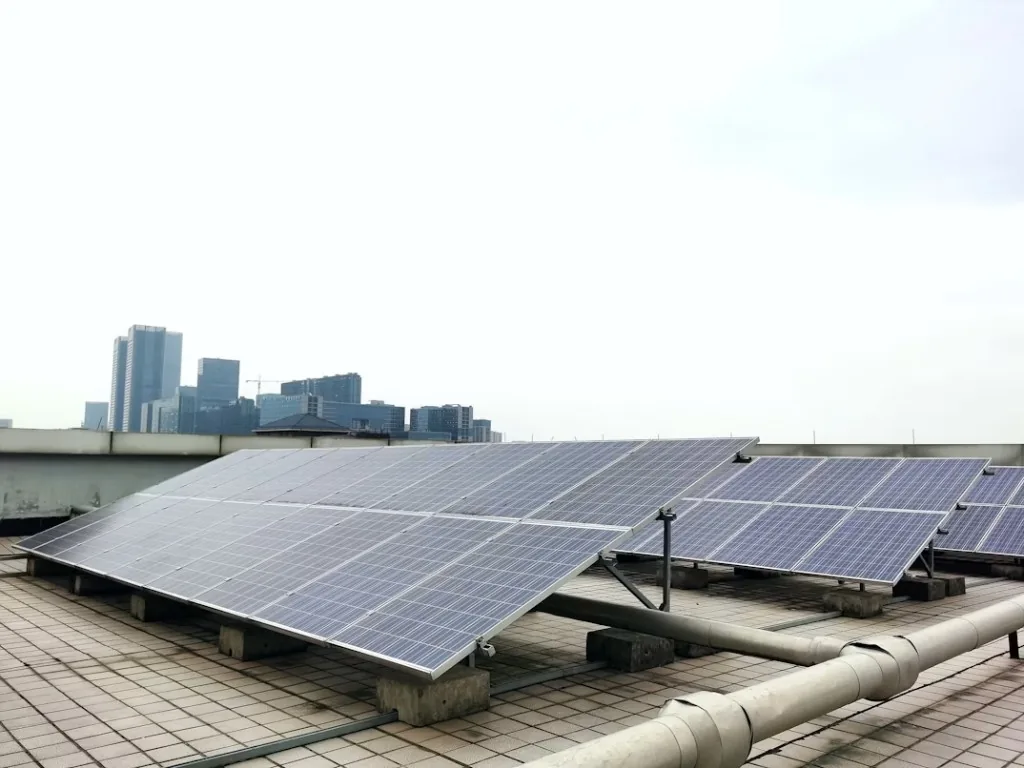
Pitched, flat, or mixed. Pitch, orientation, obstacles, and usable area assessed from site context, not assumed away.
No specialist required
Anyone handling the first conversation can run the screen without a modeller or engineer in the room.
Before survey spend
Know whether site time and survey budget are justified before committing either.
Used by Solar Installers, Roofing Contractors, Surveyors, Asset Managers, Energy Consultants, and Developers — anyone who needs a credible pre-design screen before specialist time is committed.
The gap
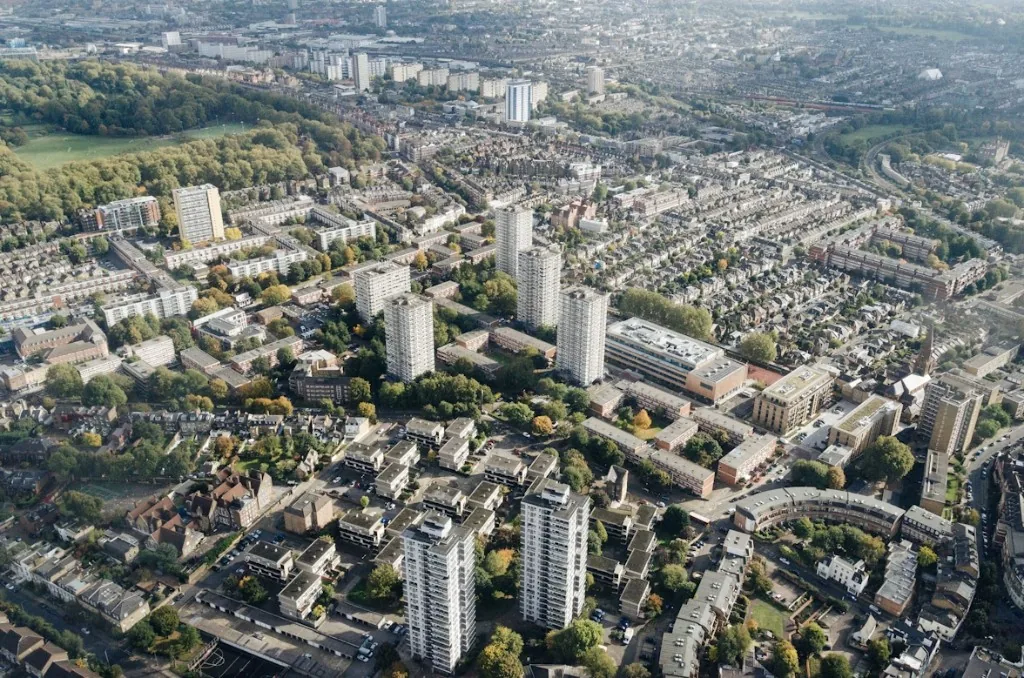
Whether the site is a terrace, a warehouse, a hotel, or a school — the same friction appears early: uncertainty about whether the roof is worth pursuing slows qualified progression. Stage1Energy gives anyone handling the first serious conversation a roof-focused pre-design screen they can run before detail work, survey spend, or engineering review.
Domestic calculators and postcode-level estimates ignore pitch, orientation, obstructions, roof utilisation, and structural context. The numbers skew — sometimes by more than 15% — before anyone has visited the site.
A site survey typically costs £1,500 to £3,000 and a slot in a specialist's diary. Committing that before a basic screen is done means dead-end sites absorb real budget. Stage1Energy sits before that decision, not after it.
Without a credible early envelope, opportunities sit in limbo — or worse, move to whoever gave a faster answer. Better qualification means more viable sites reach the next stage, regardless of who runs the first conversation.
How it works
Tap a phase to expand the full explanation. Use Close phases, scroll until less than half the strip remains on screen to return here, or press ESC.
What Stage1Energy is
Stage1Energy takes a roof from unknown to assessed using a postcode, a quick guided trace of the roof outline in the app, and a short sequence of roof questions. No CAD drawings, drone, or specialist knowledge are required at first contact—the sketch step is built to stay fast.
The tool runs the modelling automatically and returns the first-pass numbers needed before deciding whether to spend more time, survey budget, or engineering resource. Outputs include system size range, annual generation estimates, a 25-year financial value range, and a plain-English view of whether the site warrants further investment — for any roof type, any property type, across the UK.
Access is currently by invitation only as part of a private pilot programme. Stage1Energy is not publicly available yet.
Approach
Stage1Energy exists because the earliest solar conversation is the one that matters most — and it's the one with the least support.
Here's the thinking behind how it works.
Generic tools skip the roof entirely. They use postcode-level averages that ignore pitch, orientation, obstacles, and usable area. A number produced without seeing the building isn't a feasibility screen — it's a guess. Stage1Energy models the actual roof at the actual address, which is why the output means something.
Why it matters
Generic tools skip the roof entirely. They use postcode-level averages that ignore pitch, orientation, obstacles, and usable area. A number produced without seeing the building isn't a feasibility screen — it's a guess. Stage1Energy models the actual roof at the actual address, which is why the output means something.
A site survey costs £1,500–£3,000 and a slot in a specialist's diary. Committing that before a basic screen is done means dead-end sites absorb real budget. Stage1Energy sits before that decision — so survey spend goes to sites that have already passed a credible first filter.
Why it matters
A site survey costs £1,500–£3,000 and a slot in a specialist's diary. Committing that before a basic screen is done means dead-end sites absorb real budget. Stage1Energy sits before that decision — so survey spend goes to sites that have already passed a credible first filter.
The first solar conversation usually happens before an engineer is in the room. A tool that requires specialist knowledge to operate doesn't help at that stage. Stage1Energy is built for whoever handles the first serious conversation — installer, surveyor, asset manager, or building owner — without needing solar expertise to get a credible answer.
Why it matters
The first solar conversation usually happens before an engineer is in the room. A tool that requires specialist knowledge to operate doesn't help at that stage. Stage1Energy is built for whoever handles the first serious conversation — installer, surveyor, asset manager, or building owner — without needing solar expertise to get a credible answer.
A number without context is just optimism. Every output Stage1Energy returns is tied to the assumptions that produced it — irradiance source, roof utilisation factor, tariff rate, self-consumption ratio. Showing the assumptions isn't a disclaimer, it's what makes the result defensible. Teams can interrogate the inputs, not just accept the output.
Why it matters
A number without context is just optimism. Every output Stage1Energy returns is tied to the assumptions that produced it — irradiance source, roof utilisation factor, tariff rate, self-consumption ratio. Showing the assumptions isn't a disclaimer, it's what makes the result defensible. Teams can interrogate the inputs, not just accept the output.
Decision-ready outputs
Adjust assumptions, compare cases, and keep the discussion pre-design: enough to qualify the next step without pretending to be a final business case.
Estimated kWp envelope shaped by site context, roof assumptions, and the layout scenario being tested.
Estimated output under the site context and assumptions selected, using UK irradiance and roof-specific inputs.
Financial value envelopes across chosen assumptions and horizons, useful for triage before full business-case work, whatever the property type or ownership structure.
Payback-style outputs under the scenario selected, giving stakeholders a quick financial sense check.
Early indicators for wind uplift, structural loading zones, and DNO export threshold context.
How much of the deck realistically converts to array area, helping teams sanity-check layout headroom before detail design.
Plain-English narrative grounded in the selected scenario set, so the discussion ends with a clear next step.
Validation and trust
Validated against real case studies with metered generation data. Typical mean bias sits within ±10% of measured output. Teams get a stronger basis for scenario comparison, not a number that flatters the case.
Scope boundaries
FAQ
Yes. Current modelling, assumptions, and thresholds are UK-specific by design. Geographic expansion is possible later but not current scope.
Not yet. The product is pre-commercial and private pilot partnerships are being discussed for H2 2026.
Use them for early triage and decision framing. The assumptions are explicit so teams can compare scenarios, but positive cases should still proceed to detailed design, engineering checks, and formal project development.
Think first-pass qualification: enough to decide whether survey and specialist time are justified, with assumptions spelled out so you know what you are looking at. Strong leads still go through full design and engineering; this gets you to that decision faster.
Anyone who handles early solar conversations before design starts: solar installers, roofing contractors, asset managers, surveyors, energy consultants, green finance teams, local authorities, and developers. If your work involves deciding whether a roof is worth pursuing for solar before a specialist gets involved, this is built for that step.
Updates
Pilot access is open to a small number of organisations ahead of launch. If your team handles pre-design solar conversations and wants to test the tool against real sites, apply below.
To apply for pilot access, complete the verification check via the contact link above.
Access cost is calibrated to organisation type and volume. Teams running occasional screens pay differently from those embedding it into a high-volume workflow — contact us to discuss what fits your context.
The private pilot runs ahead of launch. No public product date is committed.