Independent · UK commercial rooftops · No installation sales
About Stage1Energy
Stage1Energy exists because most free feasibility on UK commercial rooftops comes from people who earn when you install. We only sell independent feasibility — a written pursue-or-park verdict, including when solar does not stack up.
Why we exist
The market gap we built for
UK estates teams and landlords need a number they can defend — not another sales deck dressed as analysis.
Facilities directors and asset managers often receive installer proposals and reasonably ask whether they double as feasibility. The PDF may include a layout, a generation figure, and a payback calculation. But the purpose of that document is to win your contract — not to test, independently, whether your roof is a sound investment.
Many installers provide free preliminary assessments. The work is subsidised by expected contract value. That can be excellent value once you have decided to proceed. It is weaker when you are still testing whether solar belongs on the building at all — you may receive three incompatible PDFs from three installers and still lack a common baseline.
Stage1Energy sits upstream of surveys, grid applications, and installer quotes. We charge a fixed fee for feasibility only. Our incentive is a defensible verdict — including do not pursue when the numbers or flags do not stack up. Read more: feasibility study vs installer quote, how to validate an installer quote, and our commercial solar feasibility guide.
Honest outcomes
Solar does not always work
Commercial viability usually hinges on self-consumption — not roof area alone.
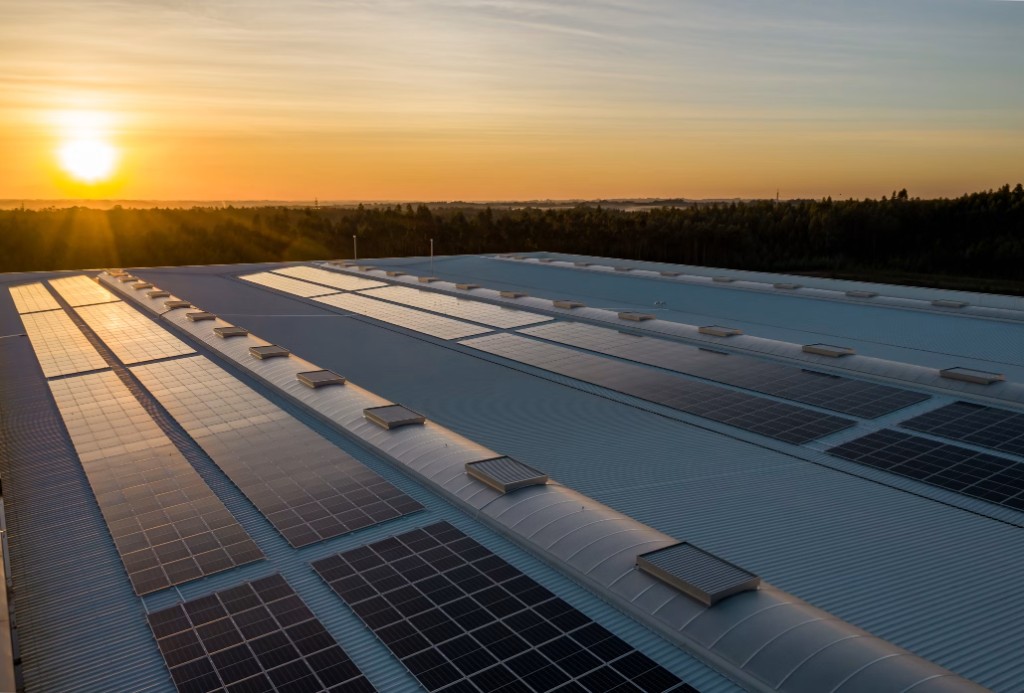
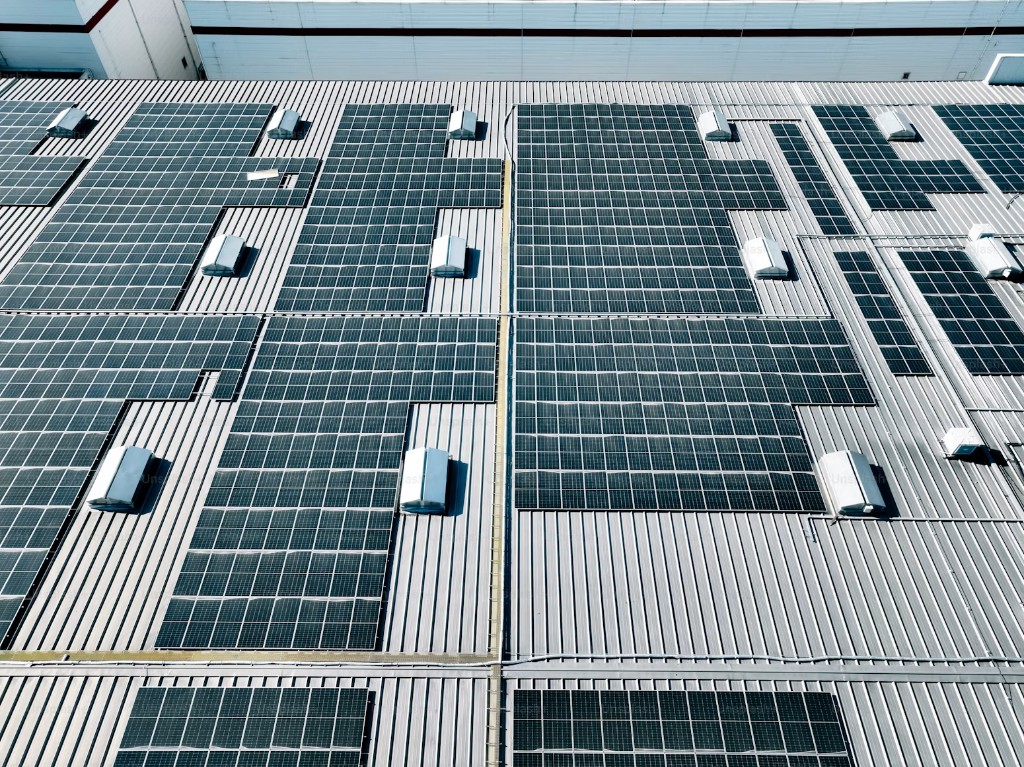
A large UK warehouse roof can still produce a park verdict if daytime load is weak, export revenue is discounted, or engineering and grid flags do not clear at screening level. Payback can shift by three or more years on the same footprint depending on when the building draws power relative to when the roof produces.
That is not a failure of feasibility — it is the point. A park verdict stops wasted structural survey spend, drone flights, G99 applications, and installer tender cost on a roof that was never going to clear your hurdle rate. For estates teams fielding board queries across a portfolio, knowing which buildings to stop pursuing is as valuable as finding a winner.
Once we reach ten completed assessments, we will publish the proportion we recommended against proceeding with. A provider who earns their income from installations cannot publish that number honestly.
Park is a successful outcome — it protects budget and gives stakeholders a clear answer.
Turnaround
Built for speed — because timing is part of the decision
UK commercial property decisions do not wait for open-ended consultancy. Screening and dossiers are sized to how estates teams and asset managers actually work.
Portfolio triage
Rank many roofs before committing £1,250 per site on full dossiers.
Board and capex cycles
Investment papers need a defensible number this quarter, not next.
Lease and refurb windows
Roof works and consent timelines force a decision while the opportunity is open.
Post-installer interest
An independent baseline before comparing quotes — not during.
Free screening
3 working days
Pursue-or-park filter on one building. No card required.
Full dossier
5 working days
£1,250 per site. Board-ready 29-page assessment.
Priority dossier
2 working days
£1,750 per site. Same document, faster delivery.
What we deliver
Every dossier, the same standard
Whether you book one roof or batch a portfolio — fixed scope, human-reviewed, documented assumptions.
Written verdict
Pursue, conditional, or park — with system size, annual yield, and NPV stated plainly for a board or asset manager.
25-year financial case
Capex build-up, payback, IRR, NPV, and hour-by-hour cashflow from stated assumptions you can challenge.
Zone-by-zone roof layout
Panel placement on satellite imagery with setbacks, exclusions, and capacity per roof face.
Four engineering flags
Wind, structure, DNO (G98/G99), and permitted development — each with severity and a named next step.
Sourced workings
Formula, result, and reference for every material figure. Defaults stated, not hidden.
Human review
Every dossier is checked before release. Not a raw export — a decision document.
We do not install, procure, or design systems. We do not provide structural certification, detailed design, or MCS design. Engineering outputs are screening flags requiring verification by appropriately qualified professionals.
Due diligence
How to verify us
Everything a procurement or finance reviewer needs before engaging — published upfront.
Questions
FAQ
Is Stage1Energy independent from installers?
Yes. Stage1Energy does not install, procure, or design solar systems. Our only product is an independent feasibility assessment with a written pursue-or-park verdict and sourced figures.
Why is free installer feasibility not enough?
Installer preliminary assessments are often subsidised by expected contract value. They are useful for pricing once you have decided to proceed, but poor substitutes for independent yield testing and risk screening before that decision. Three installer PDFs rarely share the same assumptions.
Can a large commercial roof still be not worth pursuing?
Yes. Viability depends on self-consumption, tariffs, capex, grid headroom, and engineering flags — not gross roof area. A park verdict is a successful outcome when it stops spend on a weak site.
How do you model self-consumption?
Generation is matched against consumption hour by hour where data allows — not a flat self-use percentage. Load data from half-hourly meters, tenant bills, or defensible benchmarks is stated in the dossier. See our guide on self-consumption and export for commercial solar.
How fast is screening vs a full dossier?
Free screening on one building arrives within three working days. The full 29-page dossier is delivered in five working days per site from confirmed inputs. Priority delivery is two working days.
What does park mean in your verdict?
Park means the roof is not worth pursuing at feasibility stage — based on feasibility-grade economics, screening flags, or both. It is a recommendation to stop before surveys, grid applications, or installer tenders — not a comment on whether solar works in general.
What is not included in a feasibility dossier?
A feasibility dossier is not detailed design, structural certification, procurement documentation, or MCS design. Engineering flags are screening outputs requiring verification by appropriately qualified professionals before any commitment to works.
Screen one building before you commit budget.
Free verdict in three working days. No card required.
No card needed for screening · Verdict within 3 working days